
What is Fleet Management, Features & Cost
If you’re responsible for even three or four company vehicles, you already know the headache: who’s driving what, where they are right now, when the next service is due, and how much fuel got burned this week. Multiply that by twenty vehicles and a spreadsheet stops being a system it becomes a liability. That’s the gap fleet management exists to close.
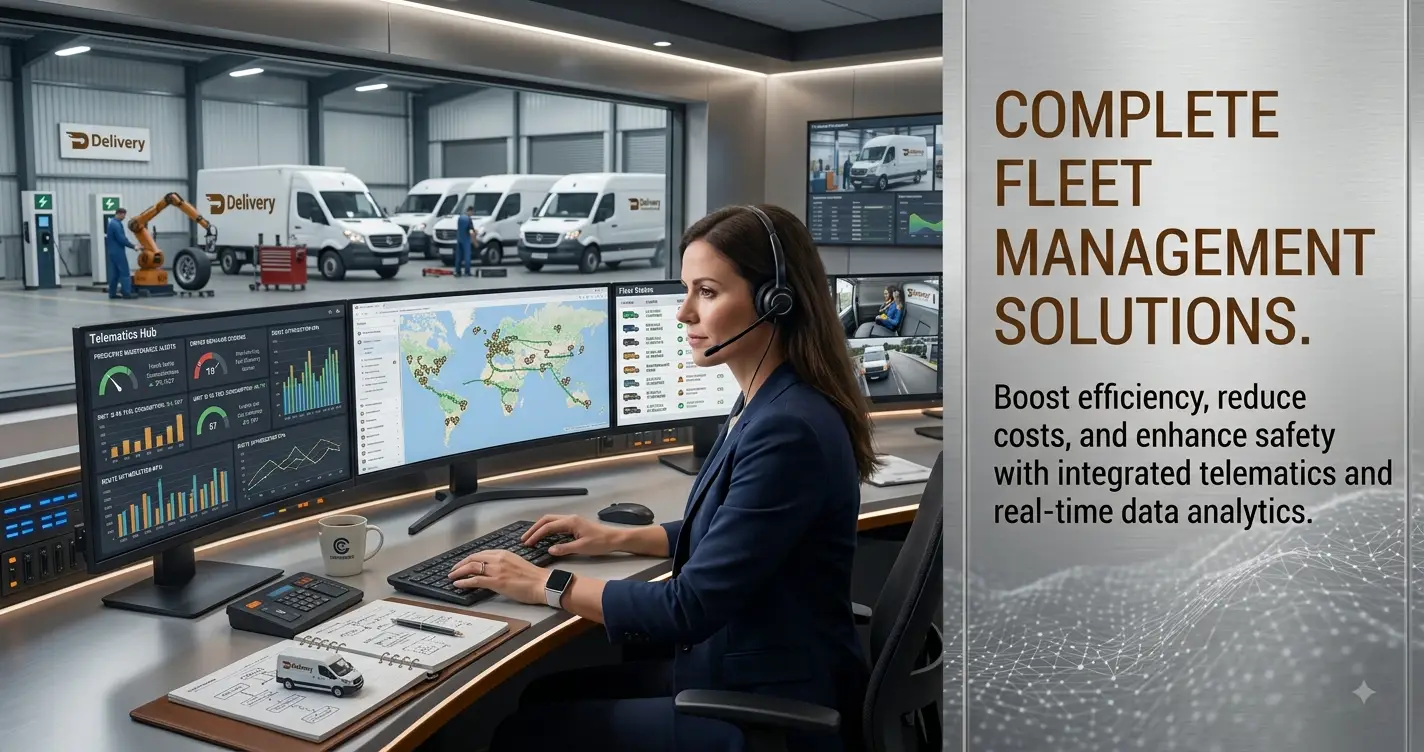

This guide explains what fleet management actually is, what a modern fleet management system does, which features matter most, and what it realistically costs to run one whether you’re managing five vans or five hundred.
How Does Fleet Management Work?
Fleet management means keeping a company’s vehicles running efficiently, safely, and on budget. That includes tracking where vehicles are, how they’re being driven, when they need maintenance, how much fuel they’re using, and whether the fleet stays compliant with regulations.
Most businesses handle this with a fleet management system: software connected to a GPS tracker in each vehicle. It automatically collects location, speed, mileage, and engine data, then shows it on one dashboard no more logbooks, phone calls, or guesswork.
This isn’t just for trucking companies. A plumbing business with six vans, a delivery company running e-bikes, or a construction firm moving equipment between sites all rely on the same basic system. Any business with vehicles it can’t watch directly needs this kind of visibility that’s what fleet management provides.
Who Actually Uses Fleet Management Systems?
- Delivery and logistics companies tracking last-mile routes
- Field service businesses (HVAC, plumbing, electrical) dispatching technicians
- Construction and equipment rental firms monitoring machinery
- Public sector fleets municipal vehicles, school transport
- Rental and micromobility operators managing bikes, scooters, or cars
The common thread isn’t industry, it’s having vehicles that operate outside a single, easily observed location.
What Does a Fleet Management System Actually Do?
At its core, a fleet management system answers three ongoing questions: where are my vehicles, how are they being used, and what do they need next. It does this by combining a few core capabilities into one platform rather than juggling separate tools for each.
1. Real-Time GPS Tracking
Every vehicle in the fleet reports its live location, typically updated every few seconds to a few minutes depending on the plan. This is the foundation everything else builds on; you can’t manage what you can’t see. A dispatcher can glance at a map and know instantly which van is closest to a new job, rather than calling around to ask.
2. Route Planning and Optimization
Beyond just showing where vehicles are, good systems help plan where they should go. Route optimization tools factor in traffic, delivery windows, and vehicle capacity to cut down on wasted mileage which matters more than it sounds, since fuel and driver hours are usually a fleet’s two biggest controllable costs.
3. Driver Behavior Monitoring
Harsh braking, rapid acceleration, speeding, excessive idling these patterns show up in the data whether or not anyone’s watching. Flagging them isn’t about micromanaging drivers; it’s about catching the habits that quietly burn fuel and increase accident risk before they become expensive.
4. Maintenance Scheduling
Vehicles report mileage and, on many systems, engine diagnostics letting the system flag an oil change or inspection before it’s overdue rather than after something breaks down on a job site. Preventive maintenance scheduled this way is consistently cheaper than reactive repairs.
5. Fuel Monitoring System
Some systems integrate with fuel cards or onboard diagnostics to track consumption per vehicle and flag anomalies. A sudden spike in fuel use is often the first sign of a mechanical issue or, less often, fuel theft.
6. Geofencing and Alerts
Virtual boundaries around job sites, depots, or service areas trigger alerts the moment a vehicle enters or leaves. This is useful for confirming a delivery arrival without a phone call, or catching a vehicle that’s strayed outside its authorized route.
7. Reporting and Compliance
Automated logs of mileage, hours of service, and vehicle activity make regulatory compliance and audits far less painful than reconstructing everything by hand, particularly relevant for fleets subject to hours-of-service rules or emissions reporting.
Key Benefits of Fleet Management
The features above translate into a few concrete outcomes that businesses actually feel:
1. Lower Operating Costs
Route optimization cuts unnecessary mileage, driver behavior monitoring reduces fuel waste and wear, and preventive maintenance avoids the higher cost of emergency repairs.
2. Better Safety
Visibility into harsh driving events lets fleet managers coach drivers before a bad habit turns into an accident, and real-time location data speeds up response if something does go wrong.
3. Improved Customer Service
Accurate ETAs and faster dispatch decisions come directly from knowing exactly where every vehicle is right now, instead of estimating.
4. Less Administrative Overhead
Automated reporting replaces hours of manual logging, freeing fleet managers to focus on decisions rather than data entry.
5. Asset Protection
Real-time tracking and geofence alerts make it far easier to notice a vehicle that’s been taken off-route or stolen, and to act quickly rather than discovering the problem hours later.
How Much Does Fleet Management Cost?
This is usually the question that matters most once the what is settled, and the honest answer is: it depends on fleet size, hardware, and the features you actually need, not a single number every provider charges.
The Main Cost Components
1. Hardware
A GPS tracking device per vehicle, either a one-time purchase or bundled into a subscription. Cost varies based on whether it’s a basic plug-in tracker or a more advanced unit that also pulls engine diagnostics.
2. Installation
Some trackers are plug-and-play (OBD-II port, no tools needed); others require professional wiring, which adds a one-time installation cost, particularly for larger commercial vehicles or equipment without a standard diagnostic port.
3. Add-ons
Features like fuel card integration, dashcams, or advanced compliance reporting are often priced separately from the base plan.
What Actually Drives the Price Up or Down
- Fleet size: Most providers offer volume pricing, so cost per vehicle drops as the fleet grows.
- Contract length: Annual commitments are usually cheaper per month than month-to-month plans.
- Feature depth: A fleet that only needs live location pays less than one that wants driver scoring, fuel integration, and automated compliance reporting on top.
- Vehicle type: Tracking specialty equipment or e-bikes sometimes requires different hardware than standard commercial vans, which can shift cost.
Frequently Asked Questions
Final Thoughts
Fleet management isn’t about adding another dashboard, it’s about finally seeing what’s happening with vehicles you’re already responsible for. The right system pays for itself: lower fuel costs, fewer breakdowns, and less time spent chasing information you should already have.
Ready to see how this works for your fleet? MuxTech’s GPS tracking and fleet management tools cover everything from commercial vehicles to electric bikes, with the alerts and reporting that make daily fleet decisions easier. Get in touch, and we’ll walk through what your fleet actually needs.