
Top 10 Practical Ways To Improve Fleet Efficiency In 2026
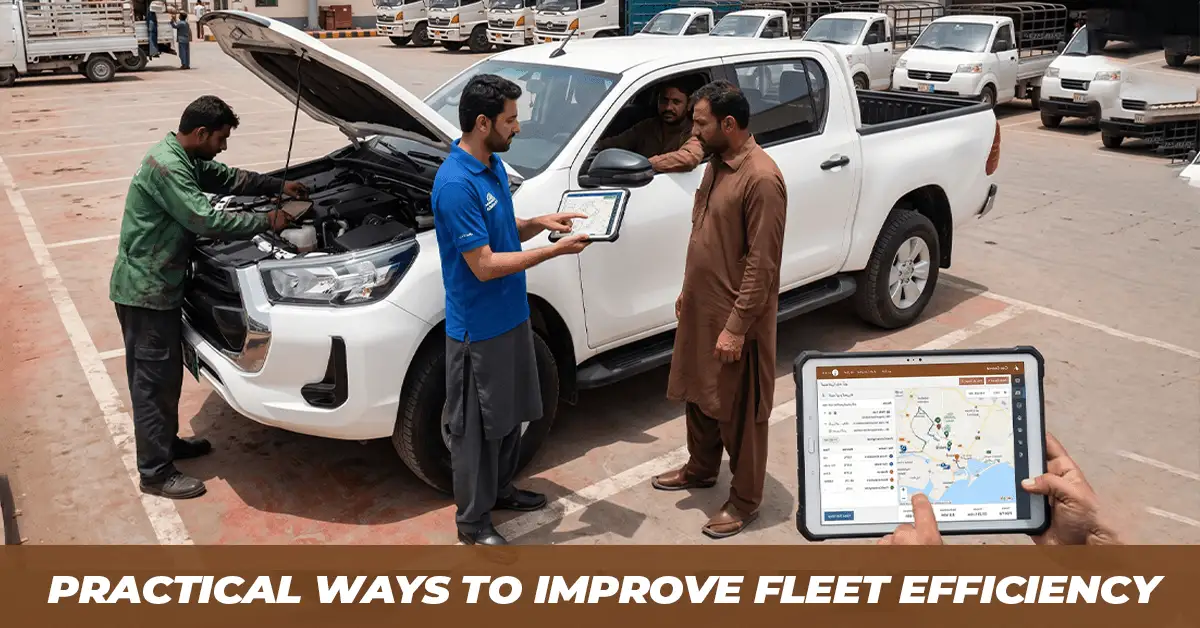
Are you a business operating a fleet on a daily basis? You might be aware of the challenges faced during everyday operations. It varies from fuel theft, risky driving, maintenance issues, costly breakdowns, delayed deliveries, and much more. Dealing with these challenges is mandatory to ensure safer, profitable, and productive fleet operations. Therefore, the fleet management system plays a vital role in addressing these challenges. It includes the use of GPS tracking devices, telematics, and advanced sensors to keep your vehicles safe and ensure efficient operations. Using advanced technology helps in simplifying operations, reducing the chances of theft, improving customer trust, and enhancing profitability. In this comprehensive guide, we’ll explain everything about how you can improve fleet efficiency and which measures you should take to enhance operational excellence.
What Is Fleet Efficiency?
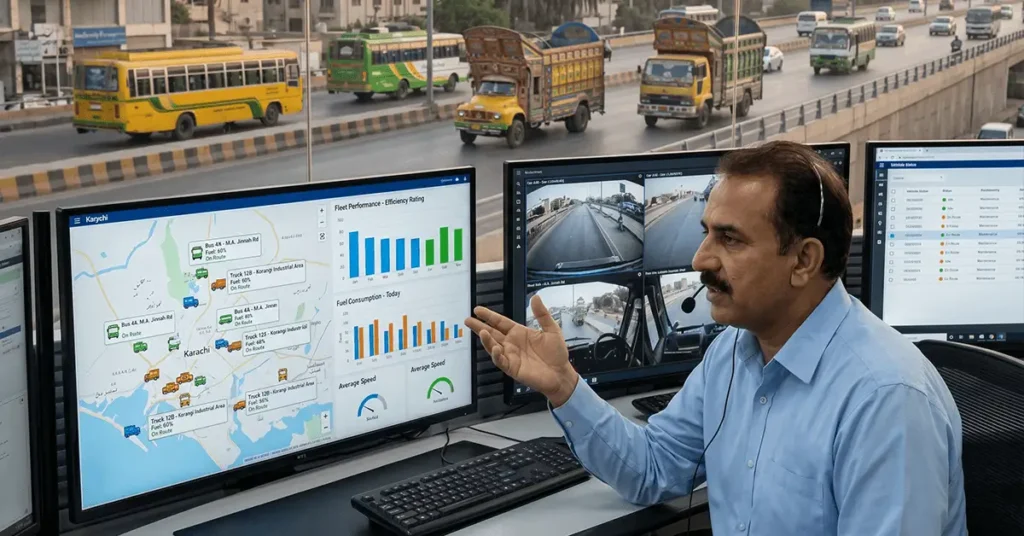
It is the process of optimizing your vehicles, fuel, and drivers for better productivity and profitability by spending the minimum operational cost, which includes fuel, maintenance, and idle time. It includes tracking the key metrics like idle time, fuel usage per mile, and vehicle utilization. Proper and strategic vehicle operation management results in reduced cost, enhanced safety, higher productivity, and better customer service. Its ultimate aim is to operate vehicles safely, reliably, and cost-effectively.
Smart Ways To Enhance Fleet Efficiency
There are different ways to improve fleet efficiency, enhance profitability, and minimize overall operational costs.

1. Use Fleet Management System
It is advised to use a fleet management system that offers you the mobile app and web software access to get complete visibility over your vehicles. It gives you deeper visibility into the different aspects of your vehicle operations, including speeding, idling duration, fuel usage, driving performance, and much more. Without a proper monitoring system, the chances of errors are high, and manual record-keeping results in mistakes. With a reliable fleet monitoring system, you get an all-in-one system to manage everything better.
2. Keep An Eye On Driving Performance
Driver behavior is an important factor that should be monitored for effective operations. Mostly, drivers are habitual of overspeeding, harsh braking, and idling, which can drain your business profit. These driving habits could result in increased accidents, vehicle breakdowns, and costly repairs. Keep the drivers accountable and also start performance-based incentives to promote positive driving. It will ensure safer operations and reduce the chances of accidents.
3. Optimize Routes
It is advised to optimize routes for less fuel consumption and reduce expenses. It is an essential factor that reduces fuel usage, ensures faster deliveries, and builds better customer trust. It helps in providing accurate ETA to the customers, that improve their reliability on your brand, enhances your reputation, and reduces the overall expenses.
4. Use GPS Tracking And Telematics Solutions
Using a GPS tracker and telematics solutions is advised for better control and visibility. You can monitor your vehicles’ whereabouts from anywhere, anytime, and take instant decisions for better results. Besides this, telematics solutions give you updates on fuel usage, temperature status, vehicle speed, unauthorized access, and much more. These things ensure your vehicles are safe and operating according to the regulatory standards.
5. Analyze Detailed History
It is advised to analyze the detailed history of previous events, such as speeding, fuel consumption, idling, and much more. Analyzing these aspects helps you identify the areas of improvement and make helpful decisions. You can implement strategic measures after analyzing the detailed history that can result in enhanced profitability.
6. Ensure On-Time Maintenance
It is better to schedule timely maintenance to enhance your vehicle’s lifespan. Scheduling timely maintenance will ensure all the parts of your vehicle are in good condition and prevent costly repairs. Not only this, but the vehicle downtime is also reduced, and it makes the work hours more productive. It helps you identify which parts need replacement, which allows you to proactively replace them.
7. Use Real Time Tracking
You can also use real-time tracking to keep an eye on the vehicle location or status in real-time. It helps you know the arrival and departure times of the vehicles from the comfort of your space. You can also give the accurate ETA to the customers, which improves customer satisfaction, profitability, and productivity.
8. Know Operating Cost
For smooth fleet operations, it is advised to know the operating cost. It includes fuel consumption per trip, mileage report, distance travelled, delivery completion, and much more. Keeping an eye on the operating cost helps you identify unnecessary expenses and implement better measures to reduce overall operating costs.
Summing Up!
Fleet management is no longer difficult in today’s continuously growing world. Technologies like GPS tracking, telematics, and fleet management help in simplifying complex tasks. With these technologies, you can improve your business productivity and profitability. For this, you need to consider some important ways to measure fleet performance. These measures include using a fleet management system, monitoring driver behavior, using GPS technology, real-time tracking, and much more. Implementing these measures helps to make better decisions and ensure your business runs on minimum expenses with maximum profitability.