
How AI Improves Driver Behavior Monitoring
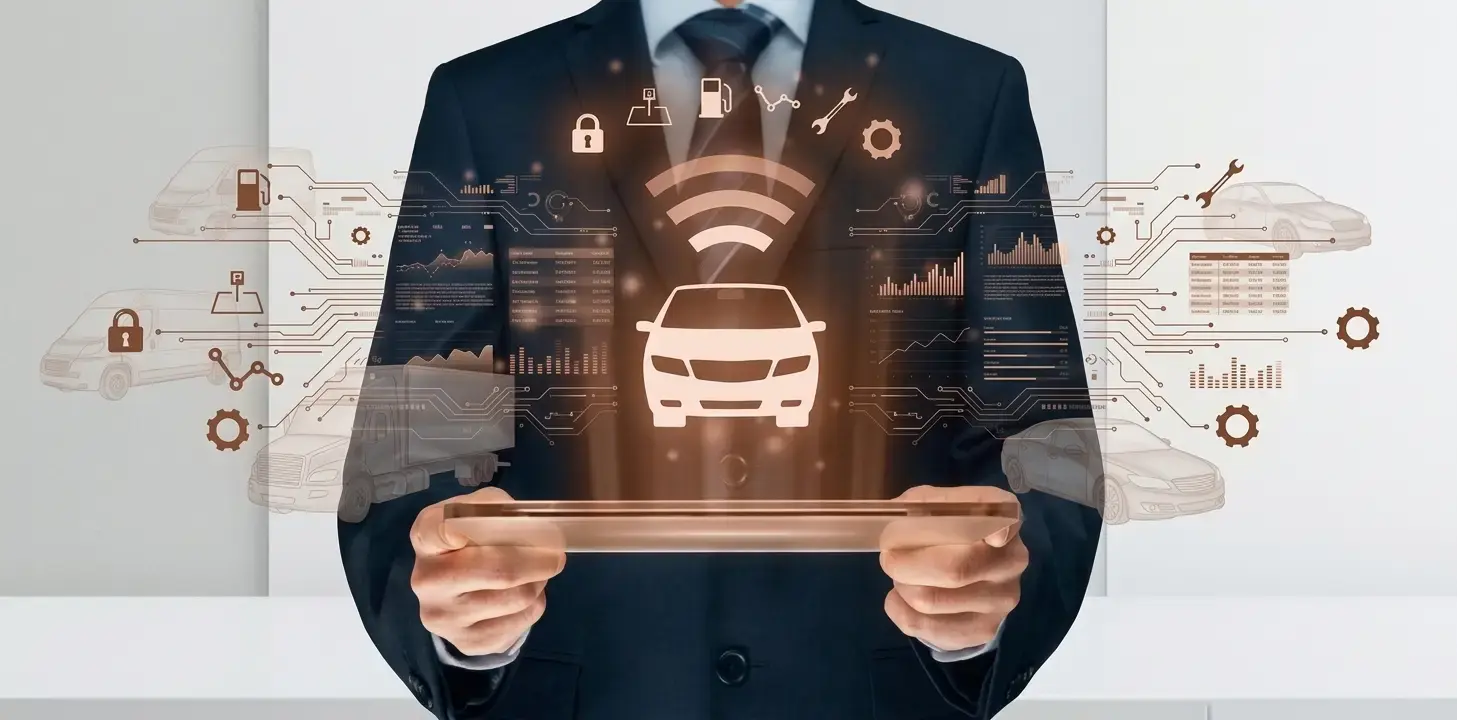
Fleet managers across Pakistan deal with the same challenges every day: rising fuel costs, unpredictable accidents, and drivers who don’t always follow safe habits on the road. Understanding how AI improves driver behavior monitoring can help address these issues, by analyzing patterns like speeding, harsh braking, rapid acceleration, idling, and route deviations in real time. This helps fleets improve driver safety, personalize training, cut fuel waste, and manage operations more effectively. Here’s a closer look at how it works and why it matters for businesses in Pakistan.

What Does AI-Based Driver Monitoring Actually Mean?
In simple terms, it starts with information collected from:
- GPS trackers
- Vehicle telematics devices
- Onboard sensors
- Dash cameras
On its own, that data is just numbers: speed readings, GPS coordinates, timestamps. AI’s job is to make sense of it. Instead of a manager scrolling through logs trying to spot something unusual, the system does that work automatically, flagging patterns that stand out from what’s normal for a given driver, vehicle, or route. It doesn’t replace human judgment, it just means the important stuff surfaces faster instead of getting buried. Paired with AI-powered GPS tracking, this turns raw location and sensor data into insights a manager can actually act on.
The Driving Patterns AI Keeps an Eye On
1. Speeding
Speeding does not always mean the same thing in every situation. AI can look at speed along with the speed limit, type of road, and driving conditions. This helps give a clearer picture of how someone is driving. For example, a driver who briefly speeds up to safely merge into traffic is different from a driver who regularly drives too fast. Over time, AI can also identify patterns, such as which drivers speed more often, which roads have more speeding, and what times of day it happens most.
2. Harsh Braking
Slamming the brakes isn’t usually random. It often points to:
- Tailgating
- Distraction
- Not reading the road far enough ahead
AI tools can pick up these events from sensor data and log them automatically with no need to wait for an accident report or hope a driver mentions it themselves.
3. Rapid Acceleration
Flooring the accelerator burns fuel and raises safety risk, and it’s usually more about impatience than anything else. AI can flag acceleration that goes beyond what normal traffic flow would require, giving managers a chance to address the habit before it becomes routine.
4. Idling
Idling may seem harmless, but leaving the engine running while the vehicle is parked can waste fuel and increase engine wear. Across a fleet, this can lead to significant fuel waste. AI can track how long a vehicle stays idle and help identify unusual patterns. For example, a short idle during a delivery stop is normal, but leaving the engine running for 30 minutes while parked may need attention.
5. Route Deviations
Drivers going off the planned route isn’t automatically a problem; traffic, road closures, and last-minute customer requests are all legitimate reasons. What AI can do is tell the difference between a one-off detour and a recurring pattern worth a closer look, like frequent unexplained stops. This matters a lot for delivery and logistics operations moving through cities like Karachi, Lahore, or Islamabad, where traffic can turn a route upside down on any given day.
Turning the Data Into Something Useful
Spotting these patterns is only step one. Many systems also roll these behaviors up into a single driver behavior score, so managers can compare drivers across the fleet at a glance instead of digging through individual event logs. But the real payoff comes from what a business does with that information, and it tends to show up in four areas:
1. Driver Safety
When risky habits get flagged early, through ongoing monitoring rather than after something goes wrong, managers actually get a chance to step in before it becomes a bigger issue. Instead of finding out about a problem from an accident report or a customer complaint, they can address it directly with the driver, based on what the data is actually showing. This kind of early intervention is a core part of accident prevention, and it’s one of the more direct ways AI monitoring supports fleet safety day to day.
2. Better Driver Training
One thing AI monitoring makes possible is training that’s actually tailored to the person, not just a generic session for the whole team:
- Braking too hard often? That’s a conversation about following distance.
- Idling a lot? Might be a route planning issue.
- Speeding on the same stretch repeatedly? Worth checking if the route itself needs rethinking.
This kind of personalized approach can make training more relevant, since it’s based on what a driver actually does rather than assumptions about what the average driver needs to fix.
3. Fuel Efficiency
Fuel is one of the biggest recurring costs for any fleet, and with prices in Pakistan being what they are, shaving off waste isn’t optional, it’s just good business. Harsh acceleration, idling, and inconsistent speeds all tend to eat into efficiency more than steady, predictable driving does. AI can point out which drivers or vehicles are using more fuel than expected, giving managers a starting point instead of a guessing game.
4. Fleet Management
Zoom out from individual drivers, and AI monitoring also helps with the operational side, which is really about fleet risk management as much as day-to-day logistics:
- Planning routes more sensibly
- Scheduling predictive maintenance before something breaks down
- Making better calls on which vehicles go where
For companies running dozens or hundreds of vehicles across different cities, that kind of visibility just isn’t something you can manage by hand anymore.
Where MuxTech Fits In
MuxTech’s AI fleet tracking and fleet management software give businesses a single place to monitor vehicle locations, routes, speed, and driver activity. Features like geofencing add another layer, alerting managers when a vehicle enters or leaves a defined area, which is useful for confirming deliveries or flagging unauthorized stops. Using the tracking data already available, fleet managers can review driving patterns, spot where things need attention, and make more informed calls about how the fleet is run without manually pulling information from different sources and piecing it together themselves.
Why This Matters Here, in Pakistan
Pakistan’s transport and logistics sector isn’t slowing down, and neither is the pressure to run things more efficiently and more safely. Between traffic congestion, road conditions, and fuel prices that don’t always move in a predictable direction, driver behavior monitoring arguably matters more here than in a lot of other markets. For businesses in Pakistan, AI-based systems can help with some very practical, everyday problems: keeping an eye on driving behavior, managing fuel use, and getting better visibility into what the fleet is actually doing.
That said, this technology works best as support, not a replacement for good management. It can flag patterns and surface issues, but it still takes real policies, honest communication with drivers, and follow-through to actually turn that data into lasting change.
Conclusion
With AI, driver monitoring is no longer just about checking what happened after an incident. It helps fleet managers spot driving patterns, identify risky behavior, reduce fuel waste, and provide training based on real driving data.For businesses in Pakistan, better visibility can lead to safer and more efficient fleet operations. MuxTech’s GPS and fleet management tools help turn vehicle and driver data into useful insights for everyday decisions.