
Automatic Vs. Manual Cars: Which Truly Rules Pakistani Roads In 2026?
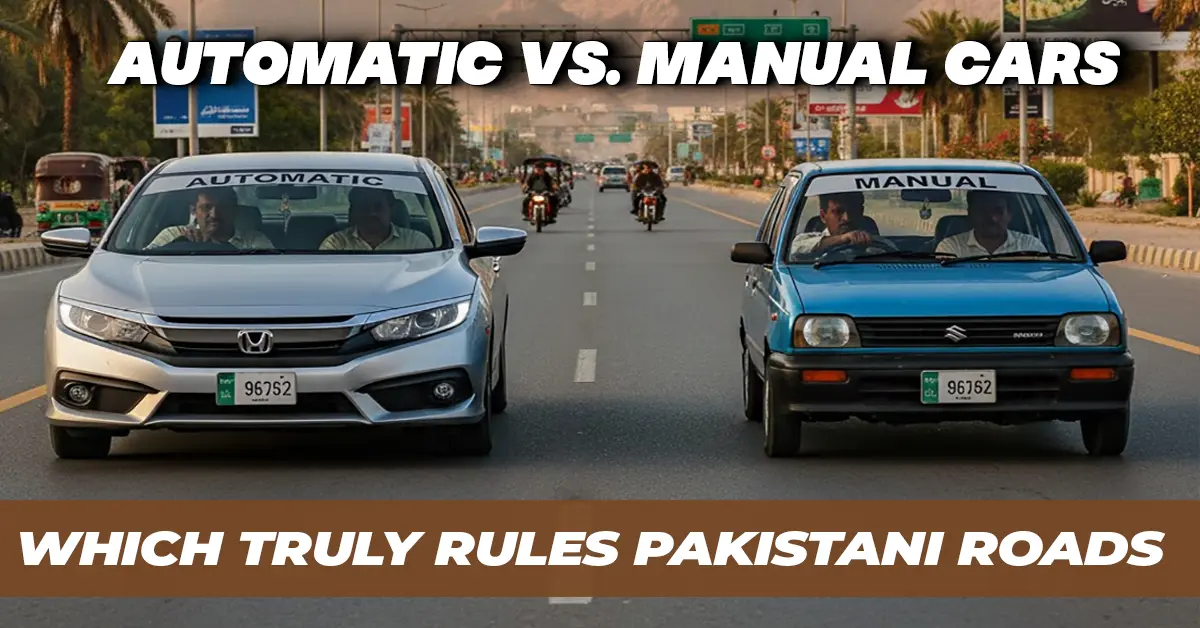
The question of choosing whether to use auto or manual cars is one of the most debatable among the drivers, car buyers, and automobile enthusiasts today. In the present day, it is no longer restricted to the colour or the brand when selecting a vehicle. Other drivers like knowing how to drive and be involved in a manual gearbox. However, there are those who like the comfort and the convenience of a car. Our world has recently changed to 2026 and the demand in the automotive world is no longer the same. Automatic transmissions are gaining popularity in most countries including Pakistan. Nevertheless, there is a remaining fanbase of the manual cars. The debate over the old-age of the automatic and the manual transmission is as new as ever. In general:
- Some city drivers and beginners prefer automatic cars because they are easier to drive in traffic.
- For better control and lower cost mostly driving enthusiasts and sports drivers prefer the manual vehicles.
If you are also the one trying to buy a new vehicle, then have a look at this blog. Research thoroughly on whatever you need to know before deciding on an auto or a manual car.
What is a Manual Transmission?
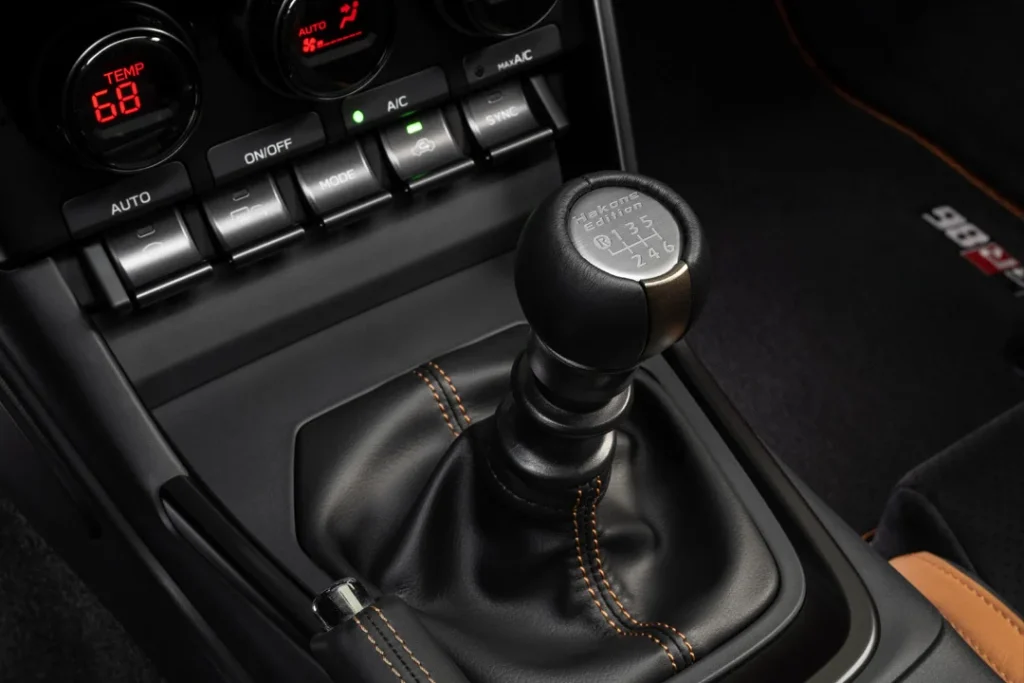
It is a stick shift (also referred to as a manual transmission). It is a form of transmission where the drivers have to maintain gears by pressing the clutch pedal and the gear lever by hand.
How Manual Cars Work?
Clutch Pedal: A pedal known as a clutch pedal that opens and closes the engine and the wheels to change gears.
Gear Stick: It entails the manual operation of the appropriate gear in regard to the speed and driving conditions.
Driver Control: Driving manually implies that you have to decide when to change gears. It involves the coordination of the throttle, the gear stick and the clutch with each shift of the gear.
What Is An Automatic Transmission
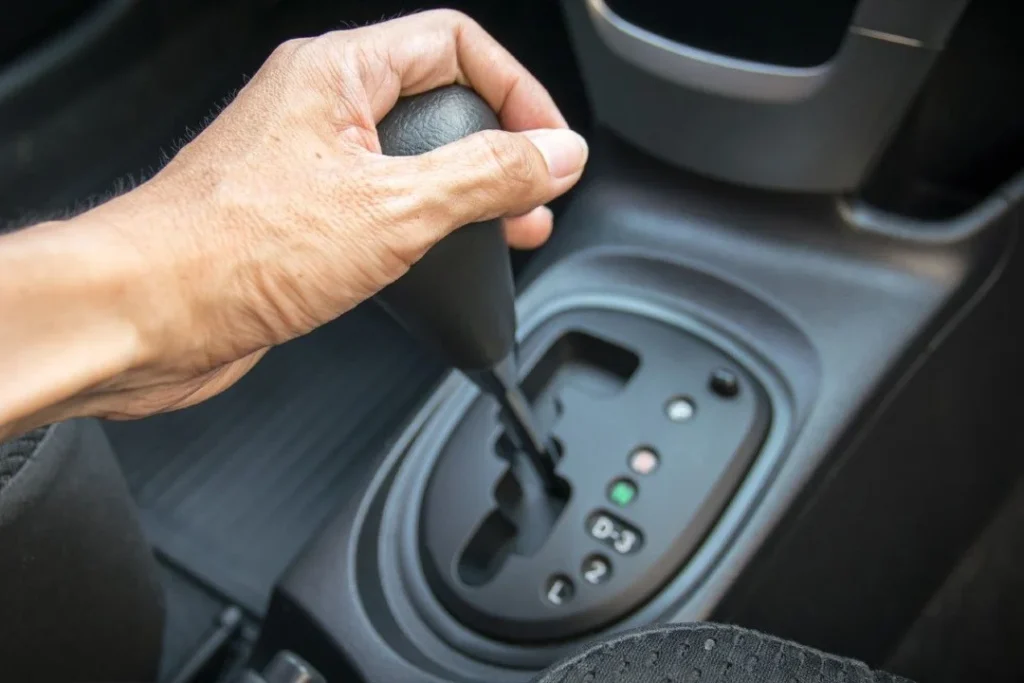
An automatic transmission implies that the gears of the car will be changed automatically, and the driver does not have to change them manually.
How Automatic Cars Work?
It shifts the gears with the help of a torque converter or dual-clutch system. Speed, throttle and load determine the best moment to make the shift, and the computer of the car decides when to shift. Automatic systems today are of the following types:
- Conventional automatic (Torque Converter) CVT (Continuously Variable Transmission)
- DSG/DCT (Dual-Clutch Transmission)
- Automated Manual Transmission (AMT)
Both types have benefits in performance, efficiency, or cost.

Automatic Vs. Manual: Side-
By-Side Comparison
| Features | Manual Cars | Automatic Cars |
| Ease of Use | Harder | Easier |
| Driver Control | High | Medium to Low |
| Fuel Efficiency | Traditionally Better | Modern Automatics Equal or Better |
| Maintenance Cost | Lower | Often Higher |
| Purchase Price | Lower | Higher |
| Resale Value | Varies by Market | Increasing Demand |
| Performance | Engaged Driving | Smooth and Efficient |
| City Traffic | Tiring | Very Comfortable |
| Highway Driving | Great for Enthusiasts | Effortless |
| Learning Curve | Steep | Gentle |
Pros And Cons Of Manual Cars
| Advantages | Disadvantages |
| It offers better driver engagement. | For beginners, it is harder to drive in heavy traffic. |
| It also has a lower initial cost. | It’s clutch wear if driven improperly. |
| It usually offers cheaper maintenance. | It has fewer modern safety features that can integrate with the stick shifts. |
| People believe that it has a better fuel economy. | |
| It is also great for learning driving fundamentals. |
Pros And Cons Of Automatic Cars
| Advantages | Disadvantages |
| The auto vehicle is easy to drive, especially in traffic. | It has complex technology which means higher repair costs. |
| It has smooth gear changes and is suitable for beginner drivers. | It also has a higher purchase price, and drivers feel less connected to the vehicles. |
| Its advanced automatics can optimise fuel use and are also ideal for city commuting. |
Fuel Economy: Manual Vs. Automatic
There was a time when manual cars were more fuel-efficient. However, modern automatic transmissions have closed this gap because they shift at optimal points based on conditions.
So in 2025:
- Manual Automatic in fuel economy in many models
- Some automatics with advanced tech deliver better real-world mileage.
Fuel Economy: Manual Vs. Automatic
| Manual | Automatic |
| The manual vehicles offer a sporty feel. | It provides quick and seamless shifts. |
| These have more control over gear selection. | It is also better suited for relaxed daily driving. |
| It is also preferred by the drivers who love precision. | It has high-end automatics that can shift faster than a human in sports cars. |
Cost Comparison
Buying Cost
- When it comes to the buying cost, manual cars usually cost less upfront.
- The auto cars often carry a premium because of the added technology.
Maintenance Cost
- Manuals: simpler gearbox, cheaper parts
- Automatics: complex systems, potentially expensive repairs
Note: Costs are significantly different depending on make, model, driving style, and availability of local service.
Safety Considerations
- The use of automatic cars helps drivers to retain both hands on the wheel more frequently.
- It can be improved with reduced distraction during the shift.
- Manual vehicles need a way of coordination of the clutch, and it is not always easy to do so when one is not a very experienced driver.
Best Use-Case Scenarios
Choose Manual If:
- Individuals who are fond of driver interaction need to use the manual vehicle.
- When you are interested in a cheaper car, and you wish to drive on the highway or open road, then opt for a manual.
- Those who enjoy learning and mastering driving can go with the manual vehicle.
Choose Automatic If:
- People who drive in heavy urban traffic can choose automatic vehicles.
- If you prefer ease or comfort and want a vehicle that’s easy to learn on, you can go with it.
- For those who want convenience than gear control can choose the automatic vehicle.
Resale Value Trends
- In most countries, including GCC, the USA, and parts of Asia, the need for automation is rising.
- Manuals are preferred by old drivers or hold value better only among enthusiasts.
- In countries like Pakistan, manuals may still be more common in budget segments.
Which One Do People Prefer?
Global Trends:
- Growing demand for automatic cars, particularly among the youths.
- Traffic in the city and convenience have increased automatic sales.
The use of manual cars has been found to persist where:
- One of the factors is purchase cost.
- Cars are commonly employed either in business or work.
Drivers take a preference of control over convenience.
Cost and familiarity continue to drive the majority of drivers in Pakistan and South Asia to use manuals within the lower cost grouping, however, automatic is rapidly gaining demand in the mid to high-end groupings.
Future Of Automatic And Manual Cars
Electric Vehicles (EVs)
- EVs do not make use of standard gearboxes, no manual or no clutch.
- This inclination hastens automatic supremacy.
Advanced Automatics
- AI-assisted shifting
- Dynamic driver-based adaptive learning.
- Smart roadside connection with self-driving.
Manual’s Place
- Sports car and enthusiast segments.
- Driving purists niche markets.
Conclusion
Both the auto and manual cars have strengths and weaknesses. It all depends upon the needs, which one do you choose? It depends upon your driving environment, desire for control vs. convenience, and long-term preferences. The auto cars win when it comes to everyday commuting and heavy traffic. While the manual shines in terms of control, driving feel, and lower cost.